
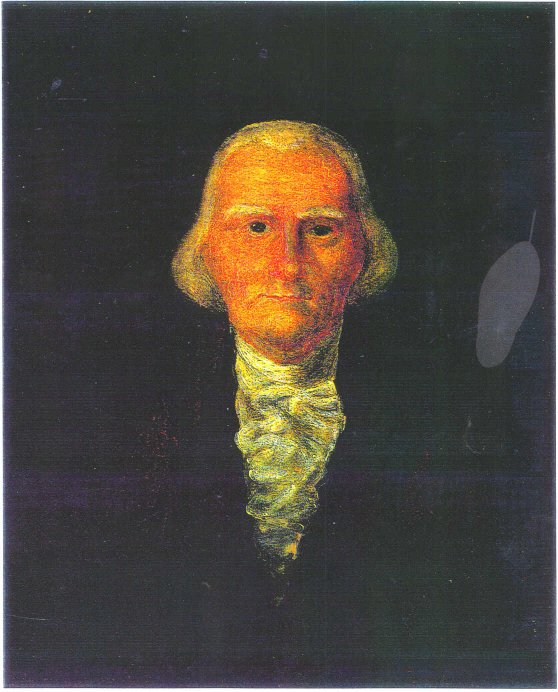
Today’s Leader of Faith
WILLIAM TENNENT
Home Call : 06 May 1746
Founder of Log College, Theologian, Pastor, Christian Preacher, Author
William Tennent (1673–1746) was a Scottish-American Presbyterian minister, best known for founding the Log College, a theological school that played a crucial role in the early American religious revival known as the First Great Awakening. Tennent was born in Mid Calder, Linlithgowshire, Scotland, in 1673. He graduated from the University of Edinburgh in 1695 and was ordained in the Church of Ireland in 1706. In 1718, he migrated to Pennsylvania and in 1726, he became pastor of the Neshaminy-Warwick Presbyterian Church in present-day Warminster, where he served until his death.
Tennent’s preaching was marked by passionate calls to repentance, personal conversion, and revivalist zeal, which were central themes of the First Great Awakening. He emphasized the need for a regenerate (born-again) ministry, not just intellectual training, a message that challenged the formality and coldness of many churches of his time. In 1727, William Tennent founded a religious school in a simple log cabin, later known as the Log College. The Log College curriculum combined Bible study, theology, practical preaching, and personal piety. He instilled in his students a strong evangelical zeal, and many went on to become revivalist preachers during the First Great Awakening (a widespread religious revival that swept through the American colonies in the 1730s and 1740s, emphasizing personal faith, heartfelt preaching, and the need for individual conversion. It challenged established church authority and laid the groundwork for greater religious diversity and democratic thought in America). His son, Gilbert Tennent, became one of the movement’s most fiery and effective preachers. The Log College had a significant educational impact, as its graduates established numerous schools along the American frontier. Many of its alumni became prominent Presbyterian pastors, evangelists, and church planters across the American colonies. Princeton University is often regarded as the institutional successor to the Log College. He also authored books about the Trinity and often wrote letters to his students and fellow pastors, which have been carefully preserved.
Tennent passed away in 1746 in Warminster, and his gravesite is still located today in the church cemetery of the Neshaminy-Warwick Presbyterian Church in Bucks County, Pennsylvania. Regarding his last will and testament, it reflects Tennent’s humble spirit and devotion to God. Despite founding the Log College, Tennent left behind only what he had to his wife, Catherine. This speaks to his selflessness and dedication to serving God rather than accumulating wealth or material possessions. The Presbyterian Historical Society in Philadelphia, Pennsylvania, holds a collection of Rev. Tennent’s original sermons and notes. William Tennent High School and Log College Middle School, located near the original Log College site in Warminster, Pennsylvania, are named in Tennent’s honor.
— John Michael, Rajahmundry