
Today’s Leader of Faith
CATHERINE CLEWES LEIGH
Home Call : 15 May 1831
Missionary, Evangelist, Midwife, Sunday-School Teacher, Lay Leader, Selfless Humanitarian
Catherine Clewes Leigh (1781–1831) was a pioneering English missionary and midwife, renowned for her significant contributions to early Wesleyan missions in Australia and New Zealand. She is remembered for her unwavering faith, resilience, and compassion. She was born in Hanley, Staffordshire, England, in 1781, and grew up amidst the Evangelical Revival and the burgeoning Industrial Age. She was deeply influenced by Wesleyan Methodism, which shaped her spiritual and practical life. In December 1820, she married Reverend Samuel Leigh, the first Wesleyan missionary to Australia and New Zealand. Before embarking on their missionary journey, Catherine underwent midwifery training under Mrs. Widgeon at the Lying-in Hospital in London, a requirement set by the Wesleyan Methodist Missionary Society to prepare for the challenges of remote mission stations.
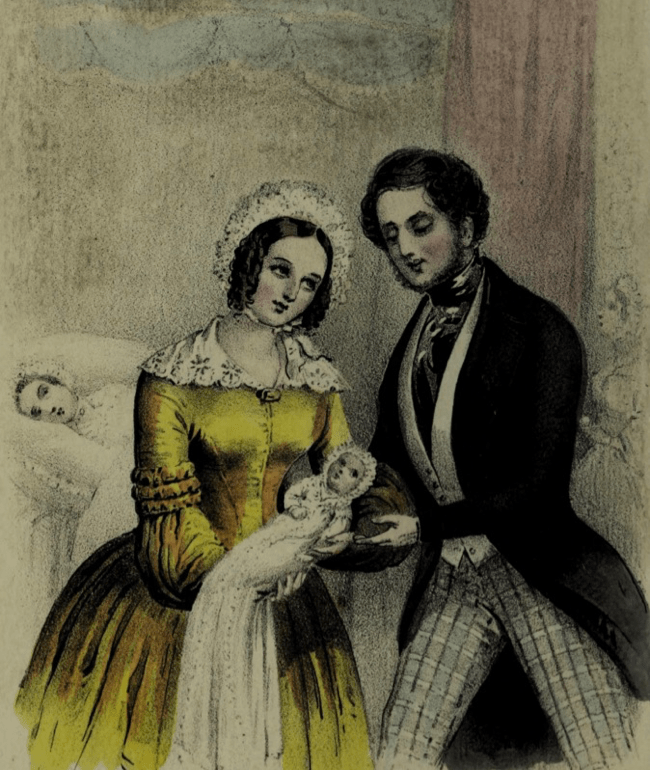
In 1821, Catherine and Samuel Leigh set sail for the South Pacific, arriving in New South Wales and later establishing the first Wesleyan mission in Whangaroa, New Zealand, in 1822. During their time in New Zealand, Catherine likely became the first European-trained midwife to deliver babies in Aotearoa, assisting both missionary families and local Māori women. She also initiated a sewing circle aimed at encouraging Māori mothers to abandon the practice of female infanticide by providing European-style baby clothes as incentives. Her missionary work extended beyond midwifery. She served as a Sunday School teacher, lay leader, and pastoral visitor, playing a crucial role in the spiritual and social development of the communities, she served. Her efforts were particularly impactful in fostering relationships with indigenous and marginalized groups throughout Australia and New Zealand. After facing numerous challenges, including a shipwreck and Samuel’s declining health, the Leighs returned to Parramatta, New South Wales, in 1823. There, Catherine continued her missionary work, focusing on Sunday Schools and community outreach. Her legacy lived on through the lives she touched, especially the women and children she helped, the Māori mothers she encouraged to value their daughters, and the many who came to know the love of Christ through her gentle works. She was often affectionately referred to as “Dorcas”, after the woman in the Bible known for her good works and acts of charity.
Catherine died on 15 May 1831 in Parramatta, New South Wales, at the age of 50. Her death came as a result of contracting an illness while she was nursing the sick and caring for those affected during an epidemic. She became a symbol of selfless love and sacrifice in the Wesleyan community, renowned for ministering to the sick during the crisis, even at the cost of her own life. Her unwavering dedication ultimately led to her death, and she was deeply mourned. Tributes from across Australia and New Zealand honoured her as a kind, fearless, and godly woman who embodied Christlike compassion. She was buried at St. John’s Cemetery in Parramatta.
— John Michael, Rajahmundry