
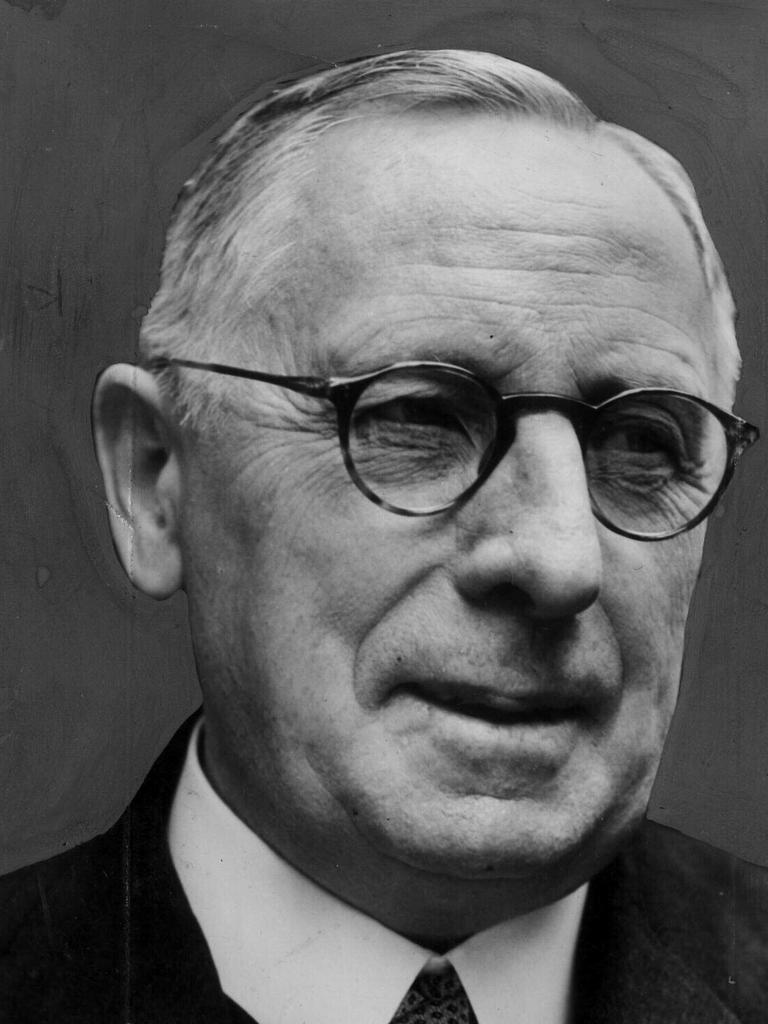
Today’s Leader of Faith
JOHN FLYNN
Home Call : 05 May 1951
Missionary, Founder of Australia Inland Mission, Evangelist, Author, Innovator
John Flynn (1880–1951) was an Australian Presbyterian minister who made significant contributions to the welfare of people living in remote areas of Australia. He founded the Australian Inland Mission (AIM) to provide spiritual and practical support to the isolated communities in the outback. This organization eventually split into Frontier Services and the Presbyterian Inland Mission, which continue his work today. One of his most remarkable achievements was founding the Royal Flying Doctor Service (RFDS). The service became the world’s first air ambulance, revolutionizing medical care in Australia’s vast and remote regions by using aircraft to deliver doctors and medical supplies to people who otherwise wouldn’t have access to healthcare. He published Peel’s insights in a church magazine, igniting momentum for a flying medical service. Flynn’s dedication to serving the outback was driven by both his faith and his recognition of the practical needs of people in those regions. The John Flynn Place Museum is located in Cloncurry, Queensland, and commemorates the life and legacy of Rev. John Flynn, particularly his role in founding the Royal Flying Doctor Service (RFDS). The museum features a rich collection of artifacts, photographs, and historical exhibits that document Flynn’s pioneering work in remote healthcare, communication, and ministry across inland Australia.
John Flynn was born on 25 November 1880 in Moliagul, Victoria. After his mother died in childbirth, he was raised in Sydney by his aunt, later rejoining his family in Snake Gully. Educated in various Victorian schools, he matriculated from University High School but couldn’t afford university, so he became a pupil-teacher. In 1903, he began training for ministry through a lay pastor course while serving in remote areas. He later attended theological college, worked on shearers’ mission.
In 1910, John Flynn published The Bushman’s Companion to support isolated communities in inland Australia. He became the Smith of Dunesk Missioner in Beltana in 1911 and was ordained for this role. Flynn recognized the need for broader support in remote areas and, in 1912, became the first superintendent of the Australian Inland Mission (later Frontier Services). His vision was a “Mantle of Safety” for Outback residents, which included spiritual care and the establishment of bush hospitals. By 1917, inspired by advances in technology and a letter from WWI pilot Clifford Peel, Flynn began developing a flying medical service. This led to the first flight of the Aerial Medical Service in 1928.
John Flynn died at the age of 71 in Sydney, New South Wales. He was buried at the foot of Mount Gillen near Alice Springs, in the Northern Territory, a region central to his life’s work among remote communities. His grave is marked by a large granite boulder transported from the Devil’s Marbles (Karlu Karlu), a sacred Aboriginal site.
— John Michael, Rajahmundry