
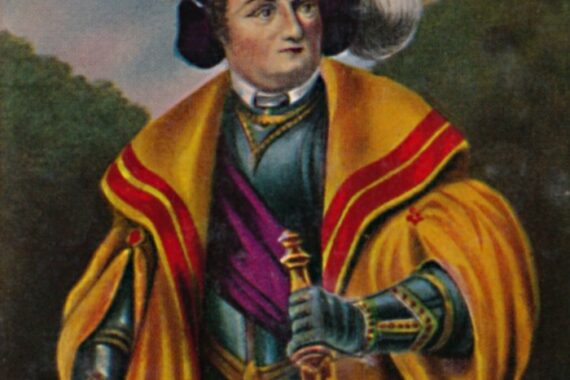
Franz von Sickingen (1481–1523) was a notable German knight and one of the most prominent figures during the early Reformation era. Non-Theological Reformer, Imperial Knight, A guardian of church reformation.

1523 మే 07

ఫ్రాంజ్ వాన్ సికింగెన్ (1481–1523) జర్మనీలో ప్రొటెస్టెంట్ రీఫార్మేషన్ ప్రారంభ దశలో అత్యంత ప్రాముఖ్యమైన యోధుడు. ఈయన “ఇంపీరియల్ నైట్స్” అనే క్రింది స్థాయి రాజుల వర్గానికి నాయకుడిగా, మత సంస్కరణల ఉద్యమానికి మిలిటరీ మద్దతు ఇచ్చిన ప్రముఖుడు. మతపరమైన విశ్వాసాల్లో మార్పులు కావాలన్న ఆలోచనకు ఆయుధాలతో అండగా నిలిచిన నాయకుడిగా చరిత్రలో గుర్తింపు పొందాడు. ఫ్రాంజ్ వాన్ సికింగెన్ 1481 మార్చి 2న పవిత్ర రోమన్ సామ్రాజ్యంలో పాలాటినేట్ ప్రాంతంలోని ఎబెర్న్ బర్గ్ కోటలో జన్మించాడు. ఈయన తల్లిదండ్రులు, శ్వీక్హార్ట్ వాన్ సికింగెన్, మార్గరేతే పుల్లర్ వాన్ డెర్, మంచి కుటుంబ నేపథ్యం ఉండటంతో చిన్ననాటి నుంచే సైనిక శిక్షణ, రాజకీయ జ్ఞానం కలిగినవాడిగా ఎదిగాడు.
Franz von Sickingen (1481–1523) was a notable German knight and one of the most prominent figures during the early Reformation era. Non-Theological Reformer, Imperial Knight, A guardian of church reformation.

1523 May 07

Franz von Sickingen (1481–1523) was a notable German knight and one of the most prominent figures during the early Reformation era. He is best known for his role as a military supporter of the Protestant Reformation and for championing the cause of the imperial knights in Germany. Sickingen was born on 2 March 1481 at Ebernburg Castle, located in the Palatinate region of the Holy Roman Empire. He was the son of Schweickhardt von Sickingen and Margaret Puller von der Hohenburg.

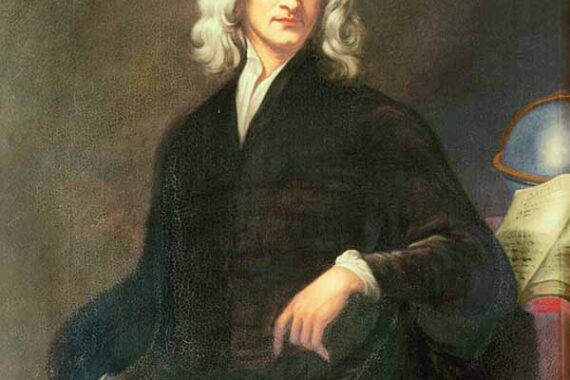
Sir. Isaac Newton (1643–1727), Father of modern Physics, Mathematician, Astronomer, Alchemist, Theologian, Author

1727 మార్చి 31

సర్. ఐజాక్ న్యూటన్ (1643–1727) ప్రఖ్యాత శాస్త్రవేత్త మాత్రమే కాదు, తన జీవితంలో గణనీయమైన భాగాన్ని బైబిల్ అధ్యయనంలో గడిపిన భక్తుడు కూడా. ఈయన నైపుణ్యం, ముఖ్యంగా భౌతిక శాస్త్రములో చలనం – గురుత్వాకర్షణ నియమాలకు అద్భుతమైన కృషికి ప్రసిద్ధి చెందాడు. ఈయన శాస్త్రవేత్త అయినందున, చాలామంది ఈయనను దేవుని ఉనికికి, సృష్టికి వ్యతిరేకమని వాదిస్తారు, కానీ న్యూటన్ ఎల్లప్పుడూ దేవుణ్ణి విశ్వసించాడు, న్యూటన్ సైన్స్ – విశ్వాసం మధ్య ఎటువంటి వైరుధ్యాన్ని చూడలేదు. దేవుని సృష్టిని సరైన విధంగా అర్ధము చేసుకొన్న గొప్ప శాస్త్రవేత్త & గొప్ప వేదాంతవేత్త! తన జీవితంలో ఎక్కువ భాగం బైబిల్, క్రైస్తవ వేదాంతాన్ని అధ్యయనం చేయడానికి అంకితం చేశాడు. ఈయన క్రైస్తవ విశ్వాసం, తన ప్రయోగాలను ప్రభావితం చేసింది. దేవుని సృష్టిని అర్థం చేసుకునే మార్గంగా శాస్త్రీయ ఆవిష్కరణలను చేసి చూపించాడు.

Sir. Isaac Newton (1643–1727), Father of modern Physics, Mathematician, Astronomer, Alchemist, Theologian, Author

1727 March 31

Sir. Isaac Newton (1643–1727) was not only a renowned scientist but also a devout believer who spent a significant part of his life studying the Bible. He is widely known for his expertise and groundbreaking contributions to mathematics and physics, particularly the Laws of Motion and Gravity. Being a scientist, many would reason against the mere existence of God and His creation, but Newton always believed in God and devoted much of his life to studying the Bible and Christian theology. His Christian beliefs influenced his work, and he saw scientific discoveries as a way to understand God’s creation.

1656 మార్చి 19

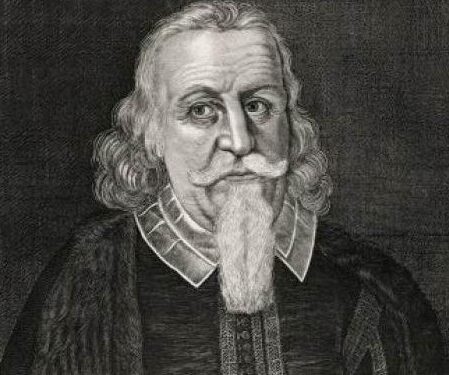
జార్జ్ కాలిక్స్టస్ (1586–1656) ఒక లూథరన్ వేదాంతవేత్త, వివిధ క్రైస్తవ తెగల మధ్య, ప్రత్యేకించి లూథరన్లు, కాథలిక్కులు, సంస్కరించబడిన క్రైస్తవుల మధ్య ఐక్యతను పెంపొందించడానికి చేసిన ప్రయత్నాలకు ప్రసిద్ధి చెందారు. ఈయన సర్వసమాన విధానం కోసం వాదించాడు, ఒప్పుకోలు విధానాల కంటే క్రైస్తవ మతం యొక్క ప్రధాన సిద్ధాంతాలను నొక్కి చెప్పాడు. ఈయన అన్ని ప్రధాన క్రైస్తవ సంప్రదాయాలు పంచుకునే ప్రాథమిక విశ్వాసాలను హైలైట్ చేయడం ద్వారా క్రైస్తవ ఐక్యతను కోరాడు. ప్రారంభ చర్చి (న్యూ టెస్టమెంట్ చర్చి) యొక్క విశ్వాసం తరువాత సిద్ధాంత వివాదాల కంటే ఐక్యతకు పునాదిగా ఉపయోగపడుతుందని ఈయన వాదించాడు. ఈ విధానం సింక్రెటిజం అని పిలువబడింది, వేదాంత వైరుధ్యాలను తగ్గించడం, సయోధ్యను పెంపొందించడం లక్ష్యంగా పెట్టుకుంది.

1656 March 19

George Calixtus (1586–1656) was a Lutheran theologian known for his efforts to promote unity among different Christian denominations, particularly Lutherans, Catholics, and Reformed Christians. He advocated for a more irenic and ecumenical approach to theology, emphasizing the core doctrines of Christianity rather than confessional divisions. He sought Christian unity by highlighting the fundamental beliefs shared by all major Christian traditions. He argued that the faith of the early church (New Testament Church) should serve as the foundation for unity, rather than later doctrinal disputes.