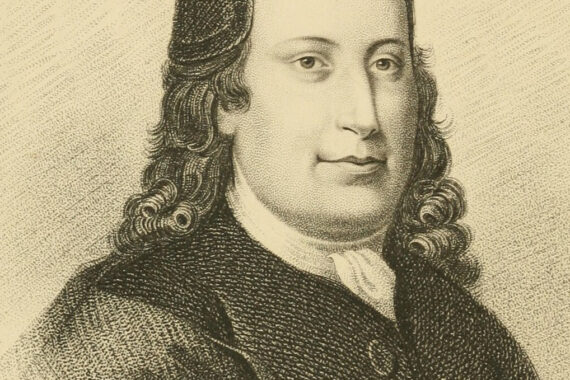
నికోలాస్ వాన్ జింఝెన్ డార్ఫ్ (1700–1760) ఒక జర్మన్ ఆధ్యాత్మిక ప్రొటెస్టెంట్ మిషనరీ నాయకుడు, మోరావియన్ చర్చిని స్థాపించిన వ్యక్తిగా ప్రసిద్ధి గాంచారు. 1700 మే 26న జర్మనీలోని ఓ ప్రముఖ కుటుంబమైన జింఝెన్ డార్ఫ్ వంశంలో జన్మించారు. చిన్నప్పటి నుండే ఈయన ఆధ్యాత్మిక ఆకర్షణతో, ఉత్తరాలు రాస్తూ, గొప్ప ఉత్తర యుద్ధ సమయంలో ఈయన ప్రార్థనలు చూసి స్వీడిష్ సైనికులు చలించిపోయారు.
Nikolaus von Zinzendorf (1700–1760) was a German religious and missionary leader, best known for his role in founding the Moravian Church, a Protestant denomination with a strong emphasis on missionary work and piety. He was born on May 26, 1700, into the prominent House of Zinzendorf, as the only son of Count Georg Ludwig von Zinzendorf and Baroness Charlotte Justina von Gersdorff. As a child, he was deeply spiritual, often writing love letters to Jesus and tossing them from a castle tower.
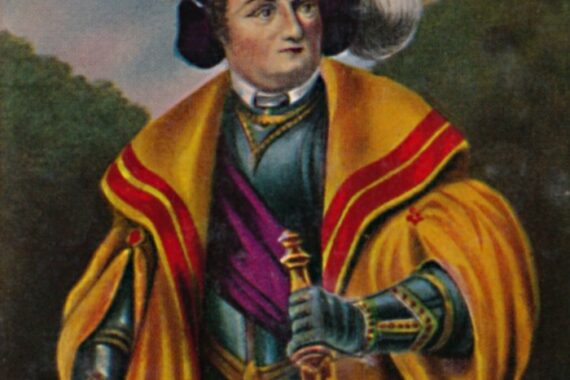
ఫ్రాంజ్ వాన్ సికింగెన్ (1481–1523) జర్మనీలో ప్రొటెస్టెంట్ రీఫార్మేషన్ ప్రారంభ దశలో అత్యంత ప్రాముఖ్యమైన యోధుడు. ఈయన “ఇంపీరియల్ నైట్స్” అనే క్రింది స్థాయి రాజుల వర్గానికి నాయకుడిగా, మత సంస్కరణల ఉద్యమానికి మిలిటరీ మద్దతు ఇచ్చిన ప్రముఖుడు. మతపరమైన విశ్వాసాల్లో మార్పులు కావాలన్న ఆలోచనకు ఆయుధాలతో అండగా నిలిచిన నాయకుడిగా చరిత్రలో గుర్తింపు పొందాడు. ఫ్రాంజ్ వాన్ సికింగెన్ 1481 మార్చి 2న పవిత్ర రోమన్ సామ్రాజ్యంలో పాలాటినేట్ ప్రాంతంలోని ఎబెర్న్ బర్గ్ కోటలో జన్మించాడు. ఈయన తల్లిదండ్రులు, శ్వీక్హార్ట్ వాన్ సికింగెన్, మార్గరేతే పుల్లర్ వాన్ డెర్, మంచి కుటుంబ నేపథ్యం ఉండటంతో చిన్ననాటి నుంచే సైనిక శిక్షణ, రాజకీయ జ్ఞానం కలిగినవాడిగా ఎదిగాడు.
Franz von Sickingen (1481–1523) was a notable German knight and one of the most prominent figures during the early Reformation era. He is best known for his role as a military supporter of the Protestant Reformation and for championing the cause of the imperial knights in Germany. Sickingen was born on 2 March 1481 at Ebernburg Castle, located in the Palatinate region of the Holy Roman Empire. He was the son of Schweickhardt von Sickingen and Margaret Puller von der Hohenburg.
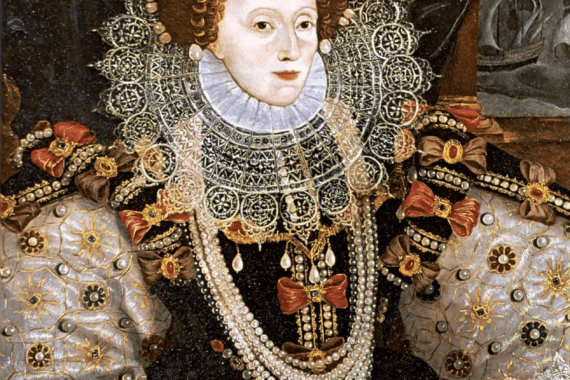
క్వీన్ ఎలిజబెత్ I (1533–1603) ఈమె 1558 నుండి మరణించే వరకు ఇంగ్లండ్ – ఐర్లాండ్లను పాలించింది, ట్యూడర్ రాజవంశంలో చివరి మరియు ఎక్కువ కాలం పాలించిన, వర్జిన్ క్వీన్ అని పిలువబడే ఈమె వివాహం చేసుకోలేదు. పురుషాధిక్య ప్రపంచంలో తన అధికారాన్ని నైపుణ్యంగా కొనసాగించింది. ఇంగ్లండ్ లో ప్రొటెస్టంటిజాన్ని దృఢంగా స్థాపించడంలో కీలక పాత్ర పోషిం చెను. ప్రొటెస్టంట్ లను ఘోరాతి ఘోరంగా హింసించిన ఈమె కాథలిక్ సోదరి, మేరీ.I పాలన తర్వాత, ఎలిజబెత్ కాథలిక్ పునరుద్ధరణను తిప్పికొట్టి, చర్చ్ ఆఫ్ ఇంగ్లాండ్ను తిరిగి స్థాపించింది. ఈమె సర్వోన్నత చట్టాన్ని ఆమోదించి, తనను తాను చర్చ్ ఆఫ్ ఇంగ్లాండ్ సుప్రీం గవర్నర్గా చేసింది, పాపల్ అధికారాన్ని తిరస్కరించింది. ఈమె ఇంగ్లీష్ బైబిల్ అనువాదాలను, ప్రొటెస్టంట్ బోధనలను ప్రోత్సహించింది.
Queen Elizabeth I (1533–1603) ruled England and Ireland from 1558 until her death in 1603 and was the last and the longest reigning monarch of the Tudor dynasty. Known as the Virgin Queen, she never married or left heirs and skilfully maintained authority in a male-dominated world. She played a crucial role in firmly establishing Protestantism in England. After the reign of her Catholic sister, Mary I (Bloody Mary), who persecuted Protestants, Elizabeth reversed the Catholic restoration and re-established the Church of England.
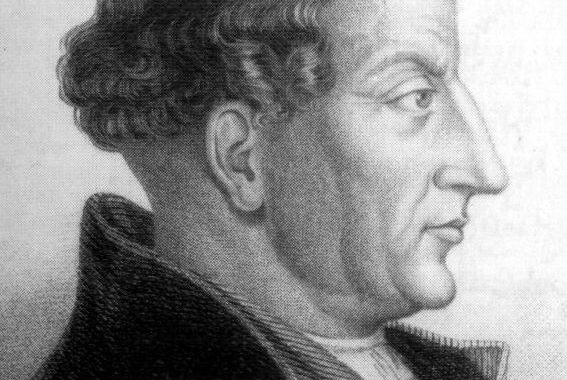
మార్టిన్ బ్యూసర్ (1491–1551) జర్మన్ ప్రొటెస్టంట్ సంస్కర్త, ఈయన సంస్కరణలో ముఖ్యంగా స్ట్రాస్ బర్గ్ లో కీలక పాత్ర పోషించాడు. మొదట డొమినికన్ ఆర్డర్లో సభ్యుడు, కానీ 1518 హైడెల్బర్గ్ వివాదం సమయంలో కలుసుకున్న మార్టిన్ లూథర్ చేత ప్రభావితమై, తన సన్యాస ప్రమాణాలను రద్దు చేయడానికి తీర్మానించాడు. ఈ ఎన్కౌంటర్ ఈయన్ని సంస్కరణ ఆలోచనలను స్వీకరించడానికి దారితీసింది. ఈయన ఫ్రాంజ్ వాన్ సికింగెన్ మద్దతుతో సంస్కరణ కోసం పని చేసాడు.
Martin Bucer (1491–1551) was a German Protestant reformer who played a key role in the Reformation, particularly in Strasbourg. He was originally a member of the Dominican Order, but after meeting and being influenced by Martin Luther in 1518 he arranged for his monastic vows to be annulled. This encounter led him to embrace reformist ideasWith the support of Franz von Sickingen, he worked for the reform movement. He also joined reformers like Jell, Capito, and Hedio, helping to advance the cause of reform.